Ferry from the UK to the Netherlands
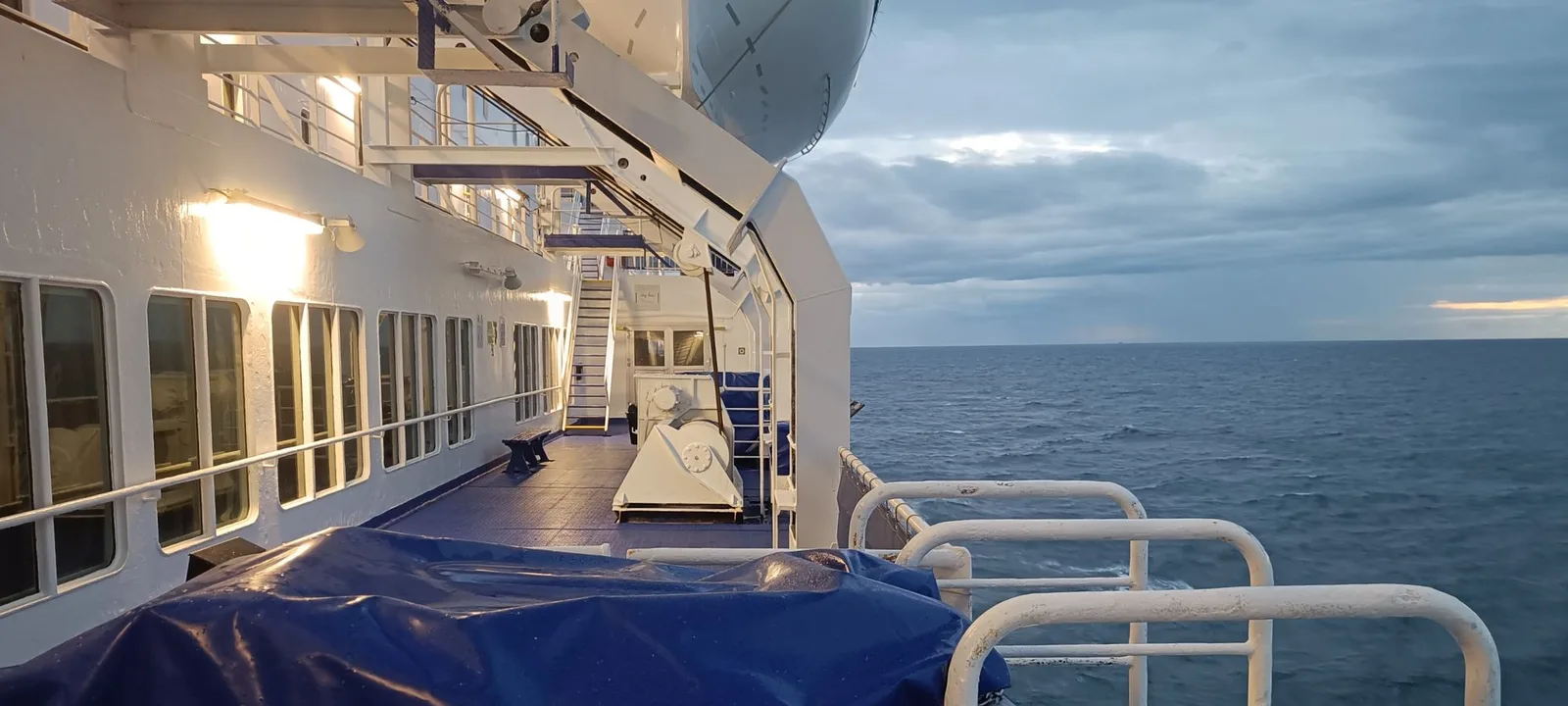
The Netherlands is one of the few mainland European countries that can be reached directly by ferry from the UK. Three passenger routes currently operate: Harwich–Hook of Holland, Hull–Rotterdam and Newcastle–IJmuiden. Depending on where you are travelling from and where you are heading, one route may involve less driving or a shorter onward journey than the others.
It is also possible to travel via Dover and northern France. While this option involves more driving on the continent, it is often one of the fastest and most affordable ways to reach the Netherlands.
Routes
To reach your destination, these are the crossings we recommend.
Our experience
The daytime crossing takes up a large part of the day, but it is often one of the more affordable options available. Budget-friendly cabins are frequently offered, giving you a private space to relax during the journey.
Our experience
We found this to be a pleasant and relaxed crossing with a well-timed schedule. It is particularly well suited to travellers with a car, campervan or motorcycle, as onward travel options for foot passengers are somewhat limited from the arrival port.
Our experience
In our experience, this is the most enjoyable ferry crossing to the Netherlands. It feels like part of the holiday rather than simply a means of transport and is also popular as a mini-cruise. The only drawback is that it leaves you slightly farther from many Dutch destinations than some of the other available routes.
Ferry services from the UK to the Netherlands
There are currently three direct ferry routes between the UK and the Netherlands. These crossings are operated by Stena Line (Harwich–Hook of Holland), P&O Ferries (Hull–Rotterdam) and DFDS (Newcastle–IJmuiden).
Map with suggested the UK – the Netherlands ferry routes
This map shows ferry routes from England to the Netherlands, with crossing times, fares and the ports they sail from. Tap a route for details, tap a port for its sailings, or zoom in for more.
Onboard experience
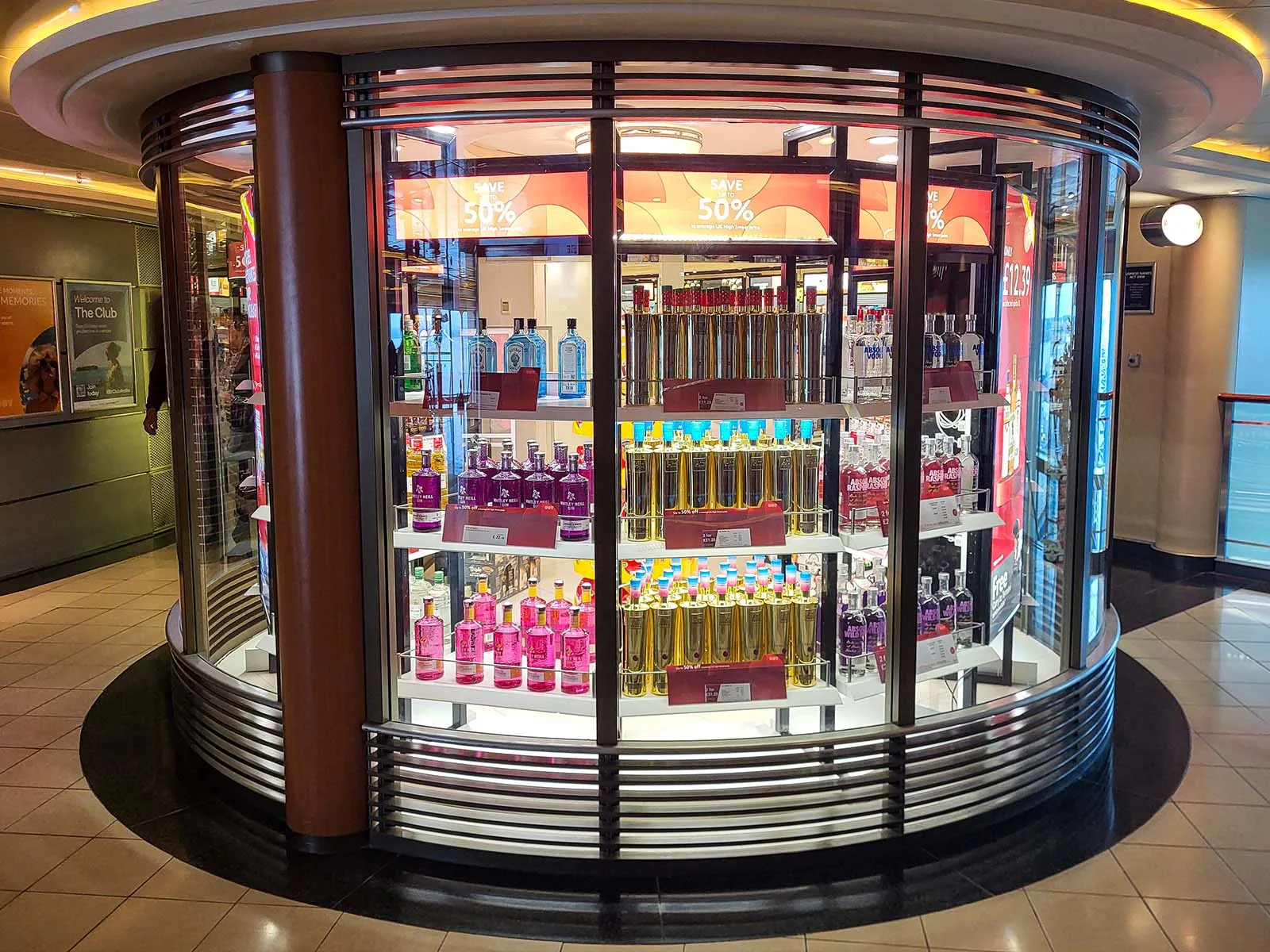
All three direct ferry routes from England to the Netherlands are operated by cruise ferries and can be booked as overnight sailings. Unlike a simple crossing from A to B, these ferries are part of the travel experience itself. On board you’ll find a range of restaurants, bars, shops, children’s entertainment and plenty of places to relax. Two of the three routes even have a cinema.
We’ve personally travelled on all three routes and genuinely enjoyed every crossing. The ships were clean, comfortable and far more enjoyable than we had expected before taking our first overnight ferry. Another advantage is that you arrive in the Netherlands early the following morning, ready to continue your journey. The Harwich to Hook of Holland route is a slight exception, as it can also be booked as a daytime sailing. If you choose the overnight crossing, be prepared for an early wake-up call before arrival.
The experience is very different from taking a ferry from Dover. The Dover routes are primarily designed as transport links: you drive on, grab a coffee, spend around 90 minutes at sea and drive off again. The overnight ferries to the Netherlands feel much more like a mini cruise, and in our experience they are a fun way to start a trip rather than simply a means of getting from one side of the Channel to the other. Looking for the ferry crossings from Dover? You can find them here.
Photos from the journey

Arrival ports across the Netherlands
Each of the three arrival ports opens a different corner of the country: Hook of Holland sits beside Rotterdam with a metro at the terminal, Europoort serves Rotterdam and the routes south, and IJmuiden is the closest landing to Amsterdam. Wherever you dock, one warning applies equally: the first roundabout after the port, driven on the right after a night at sea, catches out more British drivers than anything else on the trip. Take it slowly.
By car
Driving in the Netherlands asks little adjustment from UK visitors beyond keeping right. The country’s motorway network connects directly with the main ferry ports, and most destinations can be reached without leaving major roads. For more information, see our guide to driving in the Netherlands.
Compare & book
Pick your route to see live times and prices.
Compare prices →
We send you to the ferry operator or price comparison
By campervan
It’s worth comparing prices carefully. We’ve seen some surprisingly expensive fares for campervans on the Newcastle–Amsterdam route, while the daytime sailing between Harwich and Hook of Holland can sometimes offer very attractive deals. In practice, driving a little further to a different departure port can save you a significant amount on the ferry ticket.
Frequently asked questions
Is there a direct ferry from the UK to the Netherlands?
Yes: three direct routes sail year-round: Stena Line from Harwich to Hook of Holland, P&O Ferries from Hull to Rotterdam and DFDS from Newcastle to IJmuiden. All three carry vehicles and foot passengers, and the Hull and Newcastle crossings include a cabin.
How long is the ferry from the UK to Holland?
Between seven and sixteen hours depending on the route: Harwich to Hook of Holland takes around seven hours, Hull to Rotterdam about eleven overnight, and Newcastle to IJmuiden roughly sixteen overnight.
Can you take a car on the ferry to the Netherlands?
Yes, all three direct routes carry cars, motorhomes and motorcycles. You drive on, leave the vehicle on the car deck during the crossing, and drive off onto the Dutch motorway network on arrival.
What ports in Holland do ferries go to?
Three: Hook of Holland (Stena Line from Harwich), Rotterdam Europoort (P&O Ferries from Hull) and IJmuiden near Amsterdam (DFDS from Newcastle). Each connects straight onto the Dutch motorway network, and Hook of Holland has a metro station at the terminal.
Still weighing up your options?
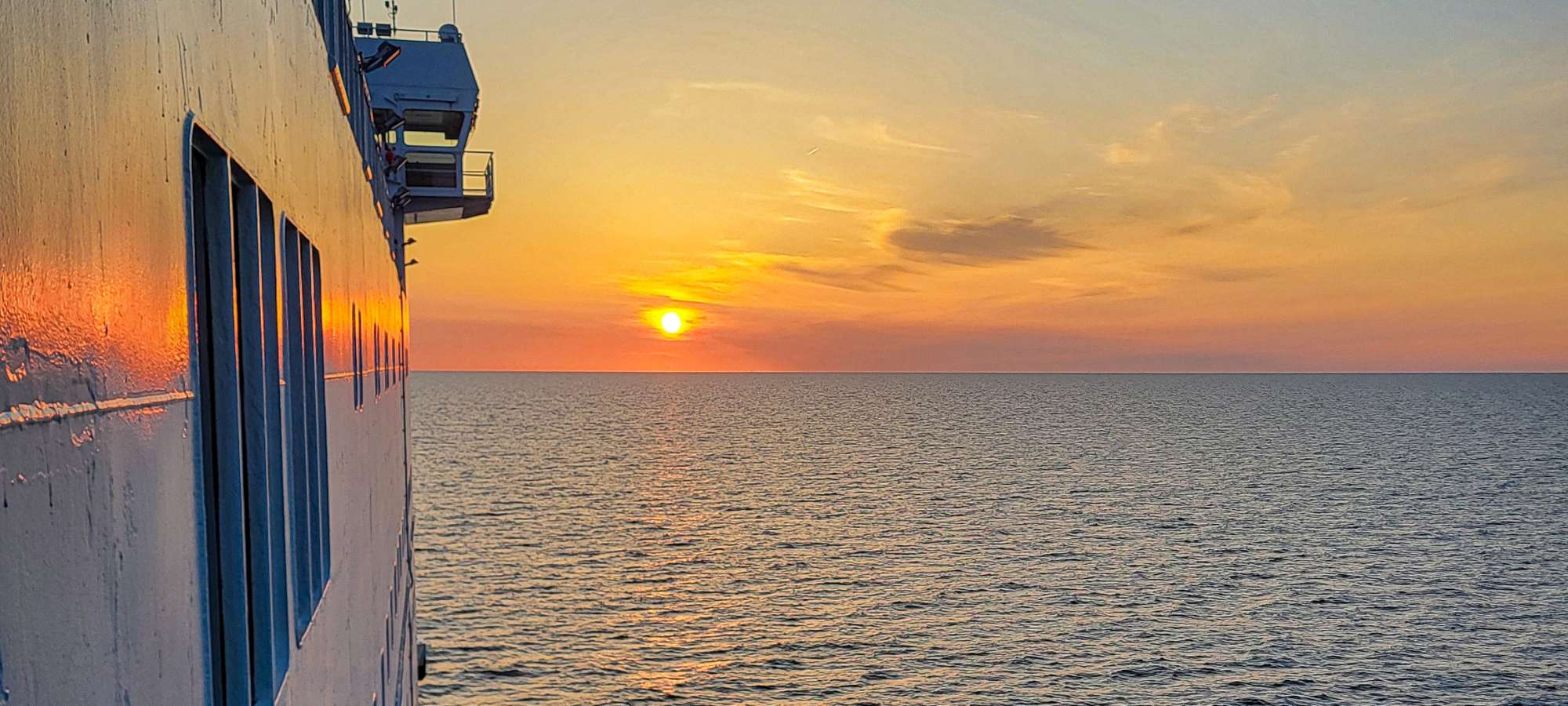
We are a Dutch team and we have made all three direct crossings ourselves, and the photos on this site are our own. Tell us where you are starting and we will point you to the smartest way across.